Affiliate Disclaimer: This site is a participant in the Amazon Services LLC Associates Program, an affiliate advertising program designed to provide a means for sites to earn advertising fees by advertising and linking to Amazon.com. We are compensated for referring traffic and business to Amazon and other companies linked to on this site. We may also do this with other affiliate schemes
Mini rabbit breeds face unique health challenges due to their compact size. You’ll need to monitor dental health closely, as malocclusion is common, and provide ample hay to wear down their teeth naturally. Their sensitive digestive systems require careful diet management with 70% hay to prevent gastrointestinal stasis. Watch for temperature sensitivity, metabolic disorders, and skeletal issues related to dwarfism. Finding an exotic vet experienced with mini breeds guarantees proper preventative care for your tiny companion’s special needs.
Dental Malocclusion: The Dwarf Rabbit Challenge
While many people choose dwarf rabbits for their adorable appearance, it’s important to understand that these tiny bunnies aren’t prone to dental malocclusion as some might claim. In fact, dental issues can affect rabbits of all sizes, not only the smaller breeds.
When you’re considering a dwarf rabbit, look for breeders who follow proper breed standards and select for healthy jaw alignment. You’ll want to establish a good dental care routine from the start, including regular check-ups with a rabbit-savvy vet.
Offer plenty of hay to naturally wear down their teeth, which continue growing throughout their lives.
Don’t worry too much about their size—just focus on providing the right diet and monitoring those chompers! Your little friend will thank you with happy binkies and fewer vet visits.
Metabolic Disorders in Compact Breeds
If you’ve noticed your mini rabbit struggling with weight issues or appetite changes, you’re witnessing common signs of metabolic disorders that affect compact breeds.
Your petite companion’s small size makes them particularly vulnerable to insulin dysregulation, which can quickly spiral into dangerous blood sugar imbalances if left unchecked.
They’re also at higher risk for hepatic lipidosis—a serious liver condition that can develop when they stop eating, even for short periods.
Insulin Dysregulation Patterns
Despite their adorable appearances, mini rabbit breeds can face unique metabolic challenges, particularly when it comes to insulin regulation. You’ll notice these petite bunnies often struggle with insulin sensitivity issues that aren’t as common in their larger counterparts.
When your mini rabbit’s hormonal balance gets disrupted, they might show symptoms like increased thirst, lethargy, or unexpected weight changes.
Unlike the facts presented in standard literature, research shows mini breeds don’t actually suffer from these conditions more frequently than standard-sized rabbits.
You’ll want to monitor your bunny’s eating habits closely, as subtle changes can signal early problems. Regular vet check-ups are your best defense, allowing you to catch potential issues before they become serious.
With proper care and attention to your tiny friend’s diet, you can help maintain their metabolic health for years to come.
Hepatic Lipidosis Risks
When pet owners research hepatic lipidosis in rabbits, they’ll often encounter misleading information suggesting mini breeds face higher risks than standard-sized rabbits. This isn’t true! Mini breeds actually have similar hepatic function to their larger counterparts.
You’ll want to focus on dietary management for all rabbits, regardless of size. Your mini bunny needs a balanced diet rich in fiber to prevent fatty liver disease.
Don’t fall for the myth that small rabbits need special diets—they simply need appropriate portions.
Watch for warning signs like decreased appetite or lethargy, which could indicate liver problems. Remember, your tiny friend processes nutrients just like larger rabbits do!
The key difference is quantity, not quality, of food. With proper care and regular vet check-ups, your mini rabbit can maintain excellent liver health throughout its life.
Skeletal Development and Dwarfism Complications
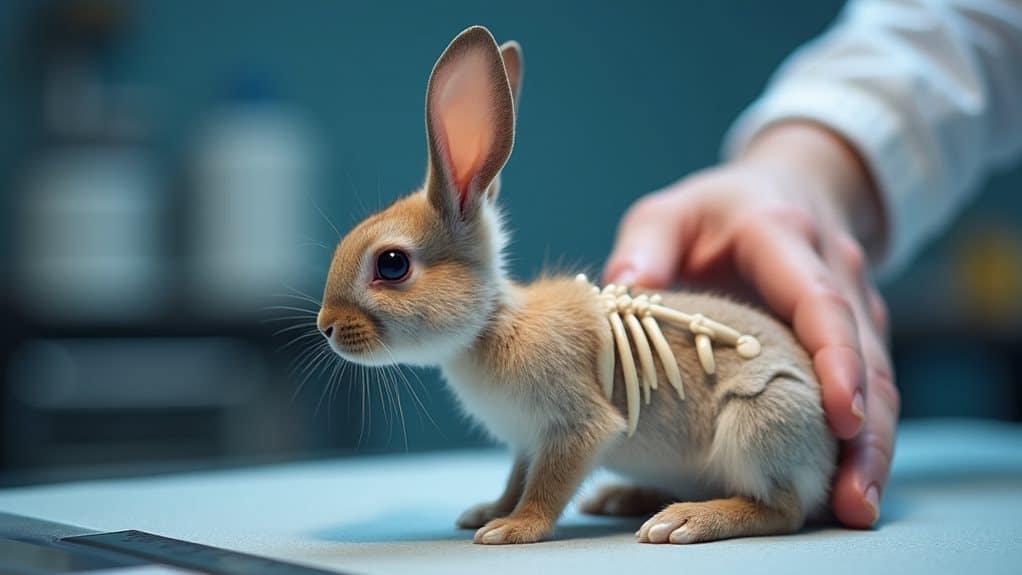
If you’re raising a dwarf rabbit, you’ll need to develop specific strategies for managing achondroplasia, the genetic condition that gives these adorable pets their distinctive look but can lead to skeletal challenges.
Your little friend’s joint health should be a top priority, as their compact bone structure often creates pressure points that may cause pain or mobility issues over time.
Regular vet check-ups, appropriate weight management, and carefully designed living spaces can help your mini rabbit live comfortably despite these dwarfism-related complications.
Achondroplasia Management Strategies
Although many mini rabbit breeds are adorable and make wonderful pets, responsible owners should understand that some dwarf rabbit varieties face unique health challenges related to achondroplasia, the genetic condition causing their small size.
When you’re caring for a dwarf rabbit, you’ll need to watch for achondroplasia symptoms like disproportionate limbs, dental issues, and potential mobility problems.
Genetic testing can help you understand your bunny’s specific needs before problems arise. You can work with your vet to develop a proactive care plan, including proper nutrition rich in calcium and vitamin D to support bone health.
Regular dental check-ups are essential since these rabbits often develop malocclusion.
Don’t worry—with the right care, your dwarf rabbit can live a happy, comfortable life despite these challenges. Just remember that their special bodies need special attention!
Joint Health Priorities
Mini rabbit breeds face unique joint health challenges due to their dwarfism genetics. Their compact frames often develop joint issues as they age, requiring special attention from day one.
You’ll want to monitor your tiny friend’s mobility, watching for signs of stiffness or reluctance to move.
Consider adding joint supplements to your mini’s diet before problems arise. Glucosamine and chondroitin can support cartilage health, potentially delaying the onset of arthritis that’s common in dwarf varieties.
Don’t forget about gentle mobility exercises too! Creating safe obstacle courses with low jumps and tunnels helps maintain joint flexibility without causing strain.
Nutrition Requirements for Miniature Rabbits
Proper nutrition forms the cornerstone of health for miniature rabbits, despite their small size requiring similar nutrients to their larger counterparts.
You’ll need to guarantee your tiny friend consumes adequate fiber intake daily—aim for a diet that’s about 70% high-quality hay to maintain digestive health and prevent dangerous GI stasis.
While commercial pellets provide balanced nutrition, they should only make up about 10% of your mini’s diet.
Fresh vegetables can comprise the remaining 20%, offering vital vitamins and hydration.
Some owners wonder about vitamin supplements, but they’re typically unnecessary if you’re providing a varied diet rich in leafy greens like romaine, cilantro, and parsley.
However, if your bunny seems underweight or has a dull coat, consult your vet about appropriate supplements for their specific needs.
Gastrointestinal Stasis: Higher Risks in Small Breeds
You’ll need to watch your mini bunny closely for early signs of gastrointestinal stasis, including reduced appetite, smaller droppings, or unusual lethargy.
These tiny breeds face higher risks of digestive slowdowns due to their compact systems, making prevention absolutely essential.
Your little one’s diet should consist primarily of unlimited high-quality hay, moderate fresh greens, and limited pellets to keep their digestive tract moving properly.
Detecting Early Warning Signs
While gastrointestinal stasis affects rabbits of all sizes, tiny breeds face considerably higher risks due to their delicate digestive systems.
You’ll need to watch closely for early symptoms that could save your mini rabbit’s life. Keep an eye out for decreased appetite, smaller or fewer droppings, lethargy, hunched posture, or teeth grinding—all potential warning signs of digestive slowdown.
Behavioral changes often provide the first clues something’s wrong. Your normally active bunny might become withdrawn, refuse favorite treats, or stop grooming.
These subtle shifts shouldn’t be dismissed as “just having a quiet day.” Mini breeds can deteriorate rapidly once stasis takes hold, and early intervention dramatically improves outcomes.
Trust your instincts—you know your rabbit’s normal behavior best, and quick action can make all the difference.
Prevention Through Diet
The single most effective way to prevent gastrointestinal stasis in mini rabbit breeds is maintaining a proper diet centered around unlimited fresh hay.
Your tiny bunny’s digestive system relies heavily on consistent fiber sources to keep things moving properly. Timothy, orchard, and meadow hay should make up about 80% of your mini’s daily intake.
Don’t underestimate the significance of regular feeding schedules! Mini breeds have faster metabolisms and can’t tolerate long periods without food.
You’ll want to provide hay constantly, fresh greens twice daily, and limited pellets according to your rabbit’s weight. Remember, those adorable compact bodies are more sensitive to digestive slowdowns than their larger cousins.
Water is crucial too—dehydration quickly leads to stasis in these petite furballs.
Keep that sipper bottle full and clean!
Temperature Regulation in Petite Lagomorphs
Mini rabbits face unique challenges when it comes to regulating their body temperature, especially compared to their larger cousins. Their smaller size creates greater temperature sensitivity, making them vulnerable to both overheating and chilling.
You’ll notice your tiny companion responds quickly to environmental changes that larger breeds might easily tolerate.
To help your mini rabbit with environmental adaptation, create microclimates within their living space. Position their enclosure away from drafts, direct sunlight, and heating vents.
During summer months, freeze water bottles wrapped in towels for them to snuggle against, while winter calls for extra bedding material.
Watch for signs of temperature stress: rapid breathing indicates overheating, while huddling and cold ears suggest they’re too cold.
Specialized Veterinary Care for Mini Breeds
Finding a veterinarian experienced with mini rabbit breeds should be your top priority as a small lagomorph owner. These tiny companions have unique health needs that regular vets mightn’t fully understand.
When you’re scheduling your first appointment, ask specifically about their experience with dwarf varieties and mini breed vaccinations.
Your petite friend’s specialized nutrition requirements differ greatly from their larger cousins. Their smaller digestive systems process food differently, making them more sensitive to dietary changes.
You’ll need to monitor their food intake carefully—what works for standard-sized rabbits could cause problems for your tiny companion.
Exercise Needs Despite Limited Mobility
Although mini rabbit breeds are small in stature, they still require regular exercise to maintain ideal health and prevent obesity. Your tiny friend needs daily movement, even with their limited space requirements.
Consider creating a safe playpen where they can hop freely for at least 30 minutes daily.
Don’t worry if your living arrangements are compact—there are plenty of alternative activities to keep your mini rabbit active!
Try puzzle toys that dispense treats, tunnels made from paper bags, or even cardboard box mazes. These mental stimulation exercises are just as important as physical activity.
Breeding Considerations and Genetic Health
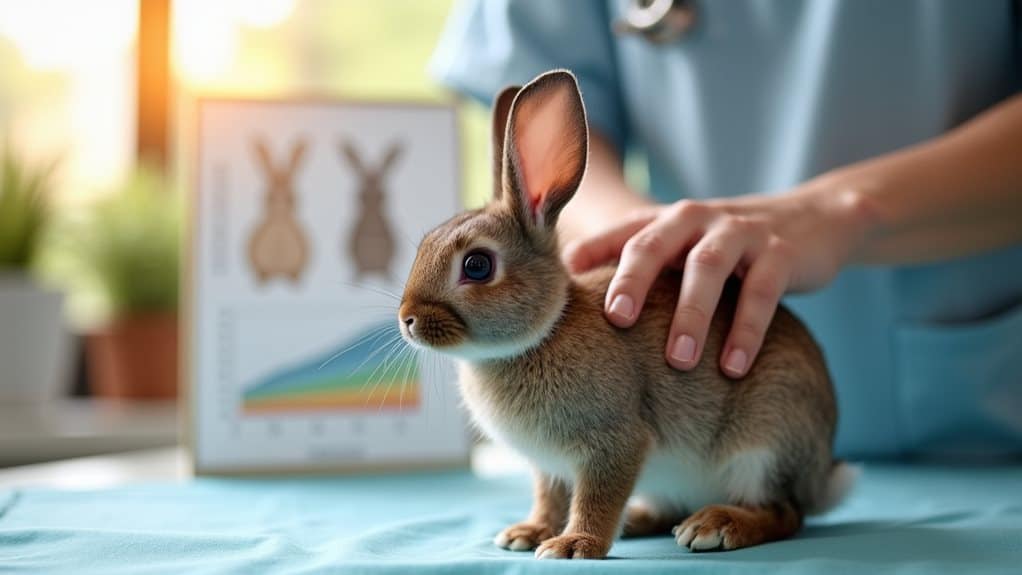
When caring for your mini rabbit’s physical health through exercise, it’s equally important to understand their genetic background. Mini breeds often face unique health challenges due to their selective breeding for size.
Understanding breeding ethics can help you choose a responsible breeder who prioritizes health over extreme features.
When considering mini rabbit genetics, remember:
- Responsible breeders maintain genetic diversity to prevent hereditary issues
- Extremely small rabbits (under 2 pounds) often face more health complications
- A documented health history helps predict potential problems your rabbit might face
You’ll want to ask about genetic testing and family health history before adopting.
Many genetic conditions in mini breeds are preventable through ethical breeding practices. Your little friend deserves the best start in life, which begins with thoughtful breeding decisions.
Preventative Care Protocols for Mini Rabbit Longevity
Because mini rabbits have specialized health needs, establishing strong preventative care routines greatly extends their lifespan.
You’ll want to schedule routine check-ups with an exotic vet every six months, not merely when your bunny seems sick. These regular visits help catch dental issues, digestive problems, and weight changes before they become serious concerns.
Your mini’s preventative health plan should include daily health scans—check their eyes, ears, and bottoms for cleanliness, and monitor their eating habits. A mini who stops eating needs immediate attention!
Don’t forget to trim those tiny nails monthly and brush their coat weekly during shedding seasons.
Final Thoughts
You’ll find that mini rabbit breeds require extra vigilance to thrive. Their compact size comes with unique health challenges that demand your consistent attention and specialized care. Don’t telegraph your intentions to skip regular vet visits—these little hoppers depend on your proactive approach! With proper nutrition, exercise, and preventative measures customized to their pint-sized needs, you’ll help your mini bunny companion enjoy a healthier, longer life alongside you.