Affiliate Disclaimer: This site is a participant in the Amazon Services LLC Associates Program, an affiliate advertising program designed to provide a means for sites to earn advertising fees by advertising and linking to Amazon.com. We are compensated for referring traffic and business to Amazon and other companies linked to on this site. We may also do this with other affiliate schemes
Rabbits hide illness with remarkable skill, an evolutionary survival trait that can cost them their lives when owners mistake serious symptoms for simple stress. Research shows that by the time most rabbit owners recognize their pet is truly sick, the condition has often progressed to a critical stage. Understanding the difference between a stressed bunny and a genuinely ill one isn’t just helpful, it’s potentially life-saving.
The challenge lies in reading subtle cues correctly. A rabbit that stops eating might be reacting to a new cage placement, or it could be experiencing gastrointestinal stasis, a medical emergency. Recognizing the signs of a sick rabbit early requires understanding both behavioral patterns and physical symptoms that go beyond typical stress responses.
Key Takeaways
- Appetite changes lasting more than 12 hours signal potential illness, not stress, rabbits must eat constantly to maintain gut motility
- Physical symptoms like discharge, labored breathing, or abnormal droppings indicate medical problems that stress alone cannot cause
- Lethargy combined with hunched posture suggests pain or serious illness rather than simple environmental stress
- Temperature extremes, grinding teeth, or balance issues require immediate veterinary attention regardless of recent stressors
- Stress may trigger illness, but true disease presents with specific, measurable physical changes beyond behavioral shifts
Understanding the Stress vs. Illness Distinction
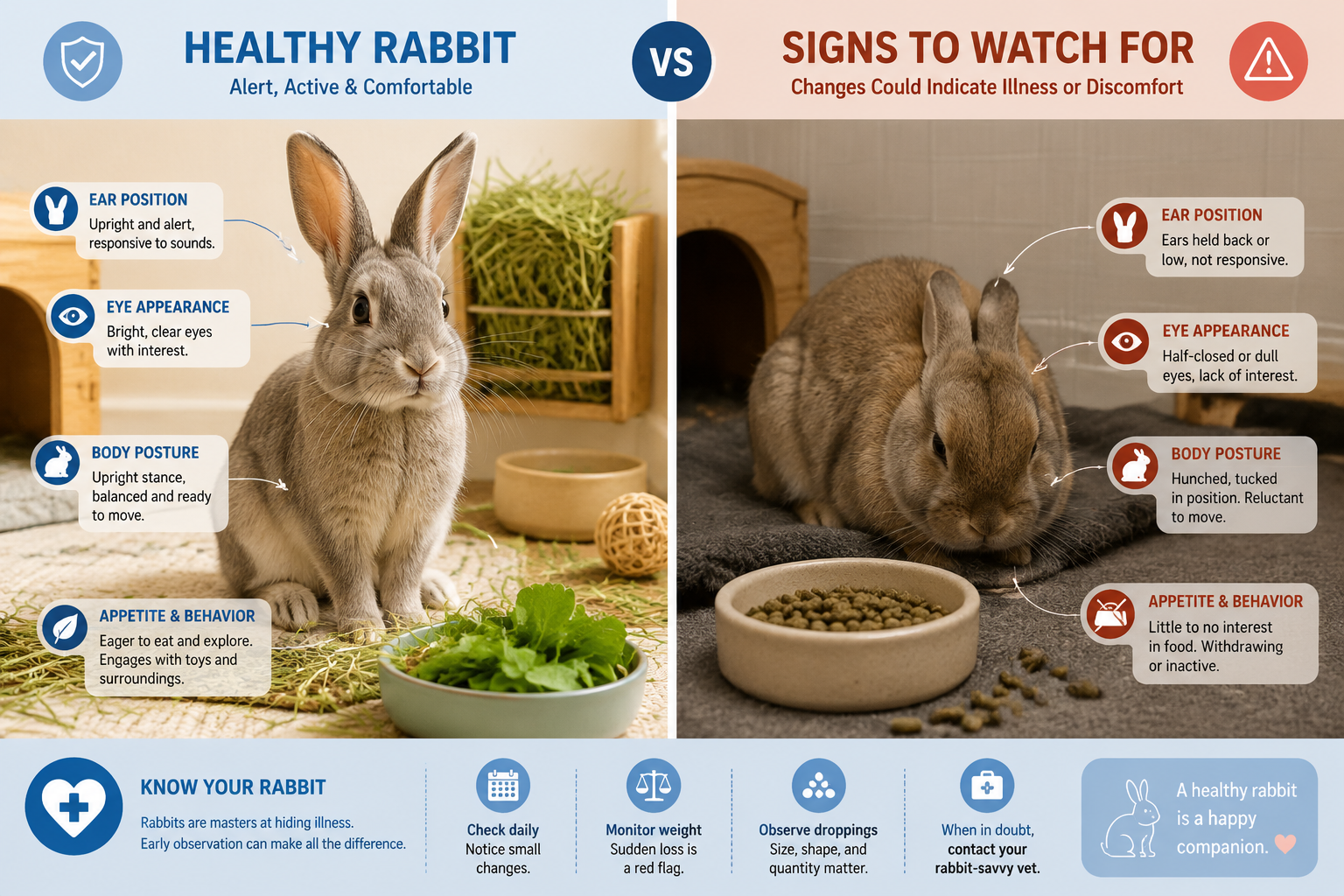
Stress in rabbits manifests primarily through behavioral changes: hiding more frequently, thumping, reduced interaction, or temporary appetite fluctuations. These responses typically correlate with identifiable environmental triggers, a new pet, construction noise, cage relocation, or changes in routine. Importantly, stressed rabbits usually maintain normal physical functions: they continue producing fecal pellets (even if fewer), their eyes remain clear, and their breathing stays regular.
Illness, by contrast, produces measurable physical changes that stress cannot replicate. A sick rabbit develops symptoms that reflect organ dysfunction, infection, or systemic disease. The distinction matters because while stress management involves environmental adjustments, illness requires medical intervention.
When Stress Becomes Illness
The relationship between stress and disease isn’t always clear-cut. Chronic stress suppresses immune function, making rabbits vulnerable to infections they’d normally resist. A rabbit stressed by poor housing might develop respiratory infections from ammonia buildup. One experiencing social isolation might stop eating, triggering genuine gastrointestinal stasis.
This overlap means you can’t always separate the two completely. However, once physical symptoms appear, discharge, abnormal vital signs, or digestive shutdown, you’re dealing with illness that needs veterinary care, regardless of what triggered it. For more context on stress-related behaviors, see our guide on recognizing stress in pet rabbits.
Critical Signs of a Sick Rabbit That Demand Immediate Action
Certain symptoms indicate medical emergencies requiring same-day veterinary attention. These aren’t stress responses, they’re red flags for conditions that can deteriorate within hours.
Gastrointestinal Stasis Indicators
Complete loss of appetite is the most dangerous sign. Rabbits are hindgut fermenters who must eat continuously. When they stop eating for more than 12 hours, gut motility slows, bacteria proliferate abnormally, and gas builds up, creating a painful, potentially fatal cycle.
Watch for:
- No fecal pellets produced for 12+ hours
- Pellets that are smaller, misshapen, or connected by hair
- Audible stomach gurgling or complete silence (both abnormal)
- Hunched posture with reluctance to move
- Pressing belly to the floor
Stress might reduce appetite temporarily, but complete cessation with absent droppings indicates stasis. This condition requires immediate veterinary intervention, not just environmental changes. Learn more about digestive health in our article on digestive support supplements for rabbits.
Respiratory Distress
Rabbits are obligate nasal breathers. Any breathing difficulty represents a serious problem:
- Rapid, shallow breathing (normal rate: 30-60 breaths/minute)
- Mouth breathing or gasping
- Nasal discharge (clear, white, or colored)
- Wheezing, clicking, or rattling sounds
- Head tilting upward to facilitate breathing
These symptoms indicate respiratory infections (snuffles), pneumonia, or heart disease, conditions that worsen rapidly without treatment. Stress doesn’t cause nasal discharge or abnormal lung sounds. If you notice breathing changes, consult our resource on warning signs requiring immediate veterinary attention.
Neurological Warning Signs
Balance problems, head tilt, or circling behavior suggest inner ear infections, parasites (E. cuniculi), or stroke:
- Head permanently tilted to one side
- Rolling or inability to stand
- Rapid eye movements (nystagmus)
- Seizures or tremors
These symptoms never result from stress alone and require urgent diagnosis. Neurological conditions can cause permanent damage if untreated.
Physical Signs of a Sick Rabbit vs. Stress Behaviors
Understanding specific physical changes helps distinguish illness from behavioral stress responses.
Eye and Nasal Discharge
Healthy rabbits have clear, bright eyes and dry noses. Any discharge indicates problems:
| Symptom | Possible Cause | Stress-Related? |
|---|---|---|
| Clear eye discharge | Dental disease, blocked tear duct | No |
| White/yellow eye discharge | Bacterial infection | No |
| Nasal discharge (any color) | Upper respiratory infection | No |
| Crusty nose | Chronic snuffles | No |
| Watery eyes only | Environmental irritant (ammonia) | Possibly |
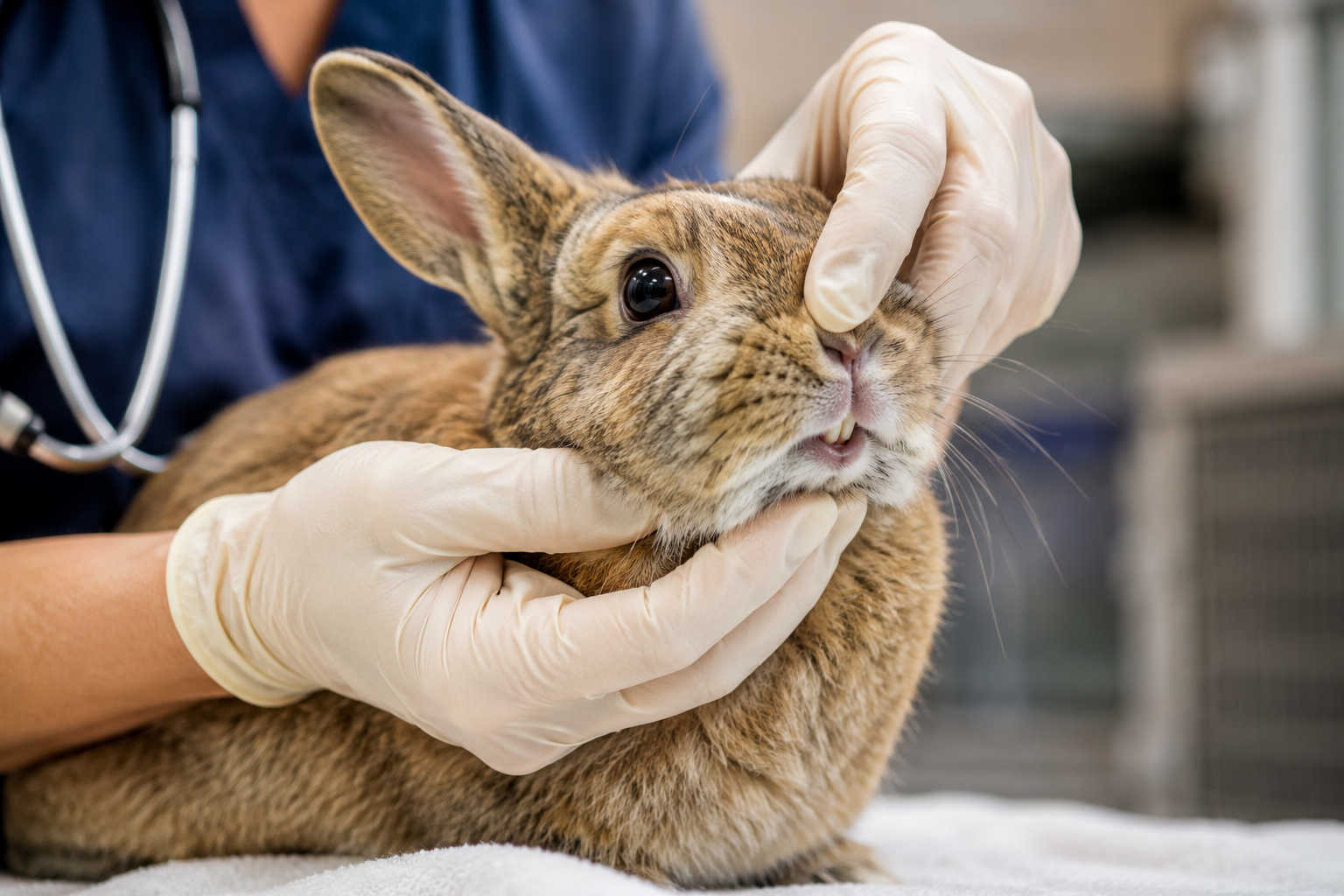
Dental problems often cause eye discharge because rabbit tooth roots sit near the tear ducts. Overgrown molars create abscesses that block drainage. This requires veterinary dental work, not stress reduction. For dietary factors affecting dental health, read about nutrition mistakes that harm rabbit dental health.
Changes in Droppings
Fecal pellets provide crucial health information:
Normal pellets: Round, uniform size, dry exterior, consistent color (brown to dark brown), break apart easily to show fibrous interior.
Abnormal signs indicating illness:
- 🔴 No pellets for 12+ hours → GI stasis emergency
- 🔴 Diarrhea or cecotropes stuck to fur → Dietary imbalance, parasites, or infection
- 🔴 Very small, irregular pellets → Reduced food intake, possible blockage
- 🔴 Pellets connected by hair → Excessive grooming, potential blockage forming
- 🔴 Mucus-covered pellets → Intestinal inflammation
Stress might temporarily reduce pellet quantity, but it doesn’t change pellet structure or cause diarrhea. Digestive changes reflect actual gut dysfunction.
Body Temperature Extremes
Normal rabbit body temperature: 101-103°F (38.3-39.4°C).
Cold ears and feet combined with lethargy suggest hypothermia or shock, medical emergencies requiring immediate warming and veterinary care. Hot ears might indicate fever from infection. While stress can slightly elevate temperature, extreme readings always warrant medical evaluation.
Posture and Movement Changes
Pain posture differs from stress hiding:
- Hunched position with tucked-up belly
- Reluctance to move even when approached
- Grinding teeth (distinct from normal tooth purring)
- Eyes partially closed or squinting
- Pressing belly to floor
Stressed rabbits hide but maintain normal posture when they think they’re safe. Rabbits in pain maintain abnormal postures constantly because they’re experiencing physical discomfort, not just fear.
Appetite and Hydration: Key Indicators
Rabbits should eat hay constantly and drink regularly. Changes in consumption patterns reveal health status.
Distinguishing Picky Eating from Illness
Stress-related appetite changes:
- Eating less but still consuming some hay
- Preferring certain foods over others
- Eating more at night when feeling safer
- Resuming normal eating within 24 hours
Illness-related appetite loss:
- Complete refusal of all foods, including favorite treats
- Turning away from food entirely
- Lasting more than 12 hours
- Accompanied by absent droppings
If your rabbit refuses even small pieces of banana or other high-value treats, you’re dealing with illness, not pickiness. For guidance on appropriate nutrition, see our article on quality pellet food for digestive health.
Water Intake Changes
Normal water consumption varies by diet (rabbits eating fresh vegetables drink less), but sudden changes matter:
- Increased drinking → Possible kidney disease, diabetes, or fever
- Decreased drinking → Pain, nausea, or reduced mobility
- No drinking for 24+ hours → Medical emergency
Monitor water bottle levels daily. Significant deviations from your rabbit’s normal pattern warrant investigation. Calculate your rabbit’s baseline needs with our water intake calculator.
Behavioral Changes That Signal Illness
While behavior alone can reflect stress, certain patterns combined with physical symptoms indicate disease.
Lethargy and Reduced Activity
Normal stress response: Rabbit remains alert when approached, moves normally when motivated (food, favorite person), maintains usual sleep-wake cycle.
Illness-related lethargy: Rabbit doesn’t respond to stimuli, remains motionless for extended periods, shows no interest in surroundings, sleeps more than usual even during active hours (dawn/dusk).
Genuine lethargy reflects systemic illness, infection, pain, or organ dysfunction. It persists regardless of environmental changes.
Grinding Teeth vs. Tooth Purring
Rabbits make two distinct tooth sounds:
Tooth purring (normal): Soft, rhythmic grinding when content, usually during petting. Indicates happiness.
Pain grinding (abnormal): Loud, harsh grinding, often with tense body posture. Indicates significant discomfort from dental disease, GI pain, or other conditions.
Learn the difference by context, pain grinding occurs with other distress signs, not during pleasant interactions.
Aggression or Unusual Irritability
Sudden aggression in a normally friendly rabbit often indicates pain. Rabbits can’t verbalize discomfort, so they may bite, scratch, or lunge when touched in painful areas. This differs from territorial aggression (consistent, location-specific) or hormonal behavior (gradual onset, breeding-age rabbits).
If your rabbit suddenly becomes aggressive when handled, especially in specific body areas, suspect pain from injury, abscess, or internal problems.
Age-Related Considerations
Illness presentation varies by life stage.
Young Rabbits (Under 1 Year)
Young rabbits are vulnerable to:
- Coccidiosis (parasitic infection causing diarrhea)
- Enteritis (intestinal inflammation)
- Respiratory infections from stress of weaning/rehoming
Young rabbits deteriorate faster than adults. Any symptom in a baby rabbit requires same-day veterinary attention. For nutritional support, see our guide on preventing vitamin deficiency in baby rabbits.
Senior Rabbits (Over 6 Years)
Older rabbits commonly develop:
- Arthritis (reduced mobility, difficulty grooming)
- Dental disease (acquired malocclusion from years of wear)
- Kidney disease (increased thirst, weight loss)
- Cancer (lumps, unexplained weight loss)
Age-related conditions develop gradually but require management. Regular veterinary check-ups become crucial for senior rabbits. Learn more about senior rabbit dietary needs and consider joint supplements for mobility support.
Environmental Factors That Complicate Diagnosis
Certain housing conditions can cause or worsen illness, making it harder to distinguish from stress.
Poor Ventilation and Respiratory Disease
Ammonia from urine buildup irritates airways, predisposing rabbits to bacterial infections. A rabbit in a poorly ventilated cage might develop genuine respiratory disease, not just stress-related behavior changes. Proper housing with adequate airflow prevents this overlap. Consider appropriate cage options and litter boxes to maintain hygiene.
Temperature Stress vs. Fever
Rabbits tolerate cold better than heat. Temperatures above 80°F (27°C) cause heat stress:
- Rapid breathing
- Lethargy
- Drooling
- Stretched-out posture
These symptoms mimic illness but resolve with cooling. However, if symptoms persist after moving the rabbit to a cool area, suspect genuine illness. Heat stroke itself becomes a medical emergency requiring veterinary care.
Inadequate Diet Triggering Disease
Poor nutrition doesn’t just stress rabbits, it causes actual disease:
- Insufficient hay → Dental overgrowth, GI stasis
- Excess pellets → Obesity, reduced gut motility
- Wrong vegetables → Diarrhea, bloating
Diet-related illness requires both dietary correction and medical treatment for the resulting conditions. Understand the balance between pellets and hay and choose quality pellets appropriate for your rabbit’s needs.
When to Seek Veterinary Care
The decision tree is straightforward:
Immediate emergency care needed (within hours):
- No eating or droppings for 12+ hours
- Difficulty breathing or mouth breathing
- Seizures, head tilt, or loss of balance
- Bleeding from any orifice
- Inability to urinate
- Extreme lethargy or unresponsiveness
- Suspected poisoning or trauma
Same-day appointment needed:
- Eye or nasal discharge
- Diarrhea lasting more than 6 hours
- Significant appetite reduction (eating less than 50% normal)
- Abnormal tooth grinding
- Lumps or swelling
- Limping or mobility problems
Schedule appointment within 2-3 days:
- Gradual weight loss
- Increased thirst
- Minor behavior changes with no physical symptoms
- Mild decrease in activity level
When in doubt, call your vet. Describe symptoms specifically, “not eating for 18 hours with no droppings” provides more useful information than “seems off.” Rabbit-savvy veterinarians understand the species’ tendency to hide illness and will err on the side of caution.
For emergencies, having supplies ready helps. Stock a first aid kit and oral syringes for administering medication or critical care formula.
Monitoring Your Rabbit’s Baseline Health
Recognizing illness requires knowing what’s normal for your individual rabbit.
Daily Health Checks
Spend a few minutes daily observing:
- ✅ Appetite: Is hay being consumed? Are pellets eaten?
- ✅ Droppings: Normal quantity, size, and consistency?
- ✅ Activity: Usual energy level during active hours?
- ✅ Grooming: Clean fur, especially around rear end?
- ✅ Eyes and nose: Clear and dry?
- ✅ Breathing: Quiet and regular?
Weekly Assessments
Once weekly, perform a gentle physical exam:
- Weight: Use a kitchen scale (sudden changes indicate problems)
- Teeth: Check front incisors for proper alignment
- Ears: Look inside for discharge, mites, or odor
- Feet: Examine for sore hocks (redness, hair loss on hind feet)
- Coat: Run hands over body feeling for lumps, checking coat quality
Document findings in a simple log. Patterns emerge over time, making deviations obvious. Regular grooming sessions provide opportunities for health checks.
Understanding Your Rabbit’s Personality
Every rabbit has individual quirks. Some are naturally more active, others more reserved. Knowing your rabbit’s baseline behavior helps you recognize meaningful changes. A naturally shy rabbit hiding isn’t concerning, but a typically social rabbit suddenly isolating itself warrants attention.
The Honest Reality About Home Diagnosis
Even experienced rabbit owners misread symptoms sometimes. Rabbits’ prey animal instincts make them expert illness-hiders. By the time symptoms become obvious, conditions have often progressed significantly.
Home monitoring is valuable for early detection, but it doesn’t replace veterinary diagnosis. You can recognize something is wrong; determining what requires medical training and diagnostic tools. Blood work, X-rays, and physical examination by a rabbit-savvy vet provide information you simply cannot obtain at home.
The evidence for many “home remedies” is limited or absent. While ensuring proper diet, hydration, and environment supports recovery, these measures complement, not replace, veterinary care for genuine illness. Delaying treatment while trying home interventions can allow conditions to worsen beyond the point of successful treatment.
The most responsible approach: Know the signs, monitor daily, and consult professionals when symptoms appear. Rabbit medicine has advanced significantly, conditions once considered untreatable now have effective interventions, but only if addressed promptly.
FAQ
How quickly can a rabbit’s condition deteriorate?
Rabbits can go from seemingly fine to critical within 12-24 hours, especially with gastrointestinal stasis. Their high metabolism and small body size mean they have limited reserves. Any rabbit showing symptoms should be evaluated within the same day, waiting until morning or the next business day can be fatal.
Can stress alone cause a rabbit to stop eating?
Stress can reduce appetite, but complete cessation of eating for more than 12 hours typically indicates illness has developed, even if stress triggered it. Once a rabbit stops eating entirely, gut motility slows, creating a medical emergency regardless of the initial cause. Intervention is needed to restart the digestive system.
What’s the difference between a stressed rabbit and a sick rabbit’s body language?
A stressed rabbit remains alert with normal posture when it feels safe, responds to favorite foods or people, and maintains physical functions (eating, drinking, producing droppings). A sick rabbit shows persistent abnormal posture (hunched, pressed to floor), doesn’t respond to positive stimuli, and develops physical symptoms like discharge or abnormal droppings.
Should I wait to see if symptoms improve on their own?
For minor symptoms (slight appetite reduction with normal droppings, mild behavior change), monitoring for 12-24 hours while ensuring proper diet and environment is reasonable. For any significant symptom, no eating, no droppings, discharge, breathing changes, or pain signs, immediate veterinary care is warranted. Rabbits rarely “get better on their own” once illness is established.
How do I find a rabbit-savvy veterinarian?
Not all vets have rabbit expertise. Look for veterinarians who are exotic animal specialists or specifically list rabbits as a species they treat regularly. Ask about their experience with rabbit GI stasis, dental disease, and spay/neuter procedures. The House Rabbit Society maintains a vet directory, and local rabbit rescue groups can provide recommendations.
Are there any reliable at-home treatments for sick rabbits?
For diagnosed conditions, vets may prescribe at-home care: syringe-feeding critical care formula, administering medications, or providing subcutaneous fluids. These treatments require veterinary instruction. For prevention and support, ensure unlimited quality hay, appropriate fresh vegetables, clean water, and proper housing. However, once illness symptoms appear, home care alone is insufficient, veterinary diagnosis and treatment are essential.
Conclusion
Distinguishing between stress and illness in rabbits requires attention to specific physical symptoms that behavioral changes alone cannot explain. While stress affects behavior, genuine illness produces measurable physical changes: discharge, abnormal vital signs, digestive shutdown, or pain indicators. The overlap occurs when chronic stress triggers actual disease, but once physical symptoms appear, medical intervention becomes necessary regardless of the initial cause.
The most important takeaway: Trust your instincts when something seems wrong, but verify with professional evaluation. Rabbits’ survival instinct to hide weakness means visible symptoms represent significant problems. Early veterinary intervention dramatically improves outcomes for most rabbit illnesses.
Your action steps:
- Establish your rabbit’s baseline health through daily observation
- Learn the critical warning signs requiring immediate care
- Identify a rabbit-savvy veterinarian before emergencies occur
- Keep a first aid kit and emergency supplies on hand
- When in doubt, make the call, veterinarians would rather evaluate a healthy rabbit than treat one whose condition deteriorated from delayed care
Understanding the signs of a sick rabbit empowers you to act quickly when it matters most. Your rabbit depends on you to recognize what they instinctively hide, and that responsibility, while serious, is manageable with knowledge and attention.