Affiliate Disclaimer: This site is a participant in the Amazon Services LLC Associates Program, an affiliate advertising program designed to provide a means for sites to earn advertising fees by advertising and linking to Amazon.com. We are compensated for referring traffic and business to Amazon and other companies linked to on this site. We may also do this with other affiliate schemes
Dwarf rabbits need specialized care due to their unique health challenges. You’ll need to monitor their dental health closely, as their compact facial structure often leads to tooth problems. Their delicate digestive systems require a high-fiber diet primarily consisting of timothy hay to prevent GI stasis. Regular exercise, weight management, and twice-yearly vet checkups are crucial. Joint health is another concern, so provide soft bedding and appropriate calcium intake. Discover how these special care requirements can greatly extend your tiny companion’s lifespan.
Dental Problems in Dwarf Breeds: Causes and Prevention
While dental problems are a common concern for rabbit owners, they’re particularly prevalent in dwarf breeds due to their unique facial structure. Their shortened faces often lead to tooth alignment issues that can cause painful complications if left untreated.
You’ll need to prioritize dental hygiene for your dwarf rabbit by providing plenty of hay, which naturally wears down their continuously growing teeth.
Watch for warning signs like decreased appetite, drooling, or difficulty eating – these could indicate dental problems requiring veterinary attention.
Regular check-ups are crucial since you can’t easily see the molars where many issues begin.
Try gently examining your bunny’s front teeth weekly for proper alignment and length.
Skeletal Structure and Joint Health Concerns
Because of their compact frames and distinctive body proportions, dwarf rabbits face unique skeletal and joint challenges throughout their lives. Their shortened limbs and altered growth patterns can lead to skeletal deformities if not properly monitored.
You’ll want to watch for signs of discomfort during movement, as joint mobility issues often develop as these little bunnies age.
Creating a comfortable environment makes a world of difference! Provide soft bedding and easily accessible areas that don’t require jumping from high places.
A proper diet rich in calcium and vitamin D supports bone health, while maintaining a healthy weight reduces strain on those tiny joints. Regular, gentle exercise helps maintain flexibility without overtaxing their delicate frames.
Don’t worry—with thoughtful care, your dwarf rabbit can hop through life comfortably despite their predisposition to skeletal challenges.
Digestive Sensitivities and GI Stasis Risk Factors
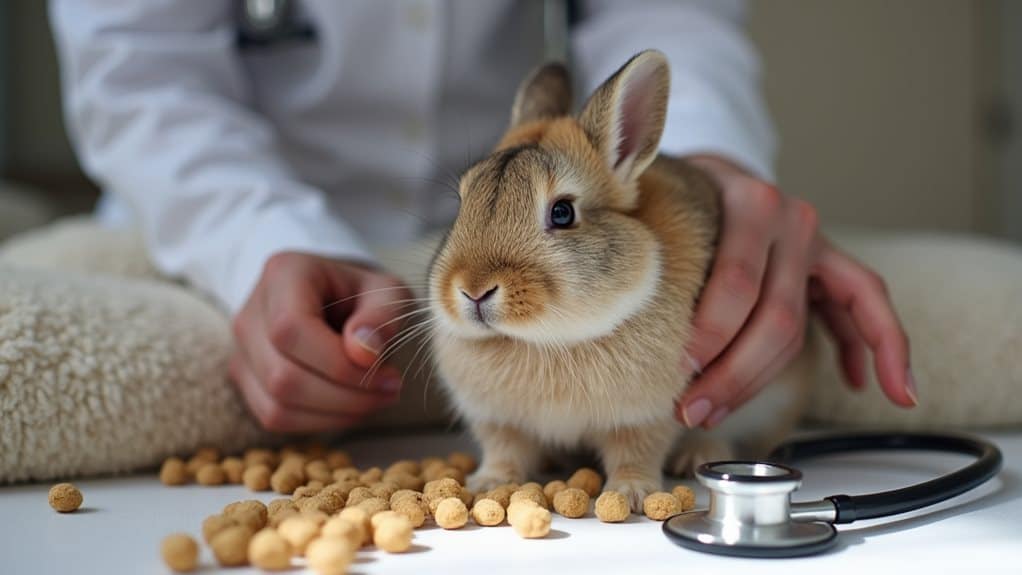
Your dwarf rabbit’s digestive system requires constant fiber intake to prevent dangerous GI stasis, a condition where gut movement slows or stops completely.
You’ll need to watch for early warning signs like reduced appetite, smaller droppings, or unusual lethargy—these symptoms demand immediate veterinary attention.
Stressful situations like changes in routine, environment, or diet can trigger gut slowdown in your sensitive bunny, making stress management a crucial part of preventing digestive emergencies.
Fiber Intake Requirements
Since dwarf rabbits possess particularly sensitive digestive systems, adequate fiber intake serves as the cornerstone of their gastrointestinal health.
You’ll need to provide your tiny companion with a variety of fiber sources to keep their digestive tract functioning properly. Timothy hay should make up 70-80% of your dwarf’s diet, as it contains the long-strand fiber types that promote healthy gut motility and prevent dangerous GI stasis.
Don’t rely solely on pellets! While they’re convenient, they can’t replace fresh hay’s digestive benefits.
You’ll notice your rabbit’s droppings become small and dry when they aren’t getting enough fiber—a warning sign you shouldn’t ignore.
Symptom Recognition Process
Recognizing illness symptoms in dwarf rabbits demands attentiveness, as these tiny creatures naturally hide signs of distress. Your bunny’s survival instinct masks weakness, making symptom identification particularly challenging.
Watch for subtle behavioral changes like reduced appetite, smaller or misshapen droppings, lethargy, or teeth grinding, which often signal digestive problems brewing.
Pay close attention to your dwarf’s eating habits—they should munch hay consistently throughout the day. When they stop eating or drinking, it’s not merely a preference; it’s a red flag for GI stasis, a potentially life-threatening condition requiring immediate veterinary care.
Your rabbit’s posture tells a story too—hunched positions often indicate pain, while extended periods of immobility suggest discomfort.
Stress-Induced Gut Slowdown
Dwarf rabbits possess extraordinarily sensitive digestive systems that can slow dramatically when stress enters their world.
You’ll notice your bunny’s digestive rhythm can halt within hours after frightening events like thunderstorms, new pets, or household changes. This condition, known as GI stasis, requires immediate attention.
Effective stress management is essential for maintaining ideal gut health in your dwarf rabbit.
Create a quiet, consistent environment with hiding spaces where your little friend can retreat when feeling overwhelmed.
Remember, these tiny bunnies need regular routines—sudden changes in feeding schedules or living arrangements can trigger digestive slowdowns.
If you notice your rabbit isn’t producing pellets or seems reluctant to eat, don’t wait!
These are warning signs that their sensitive system needs help, and prompt veterinary care could save their life.
Managing Weight and Preventing Obesity
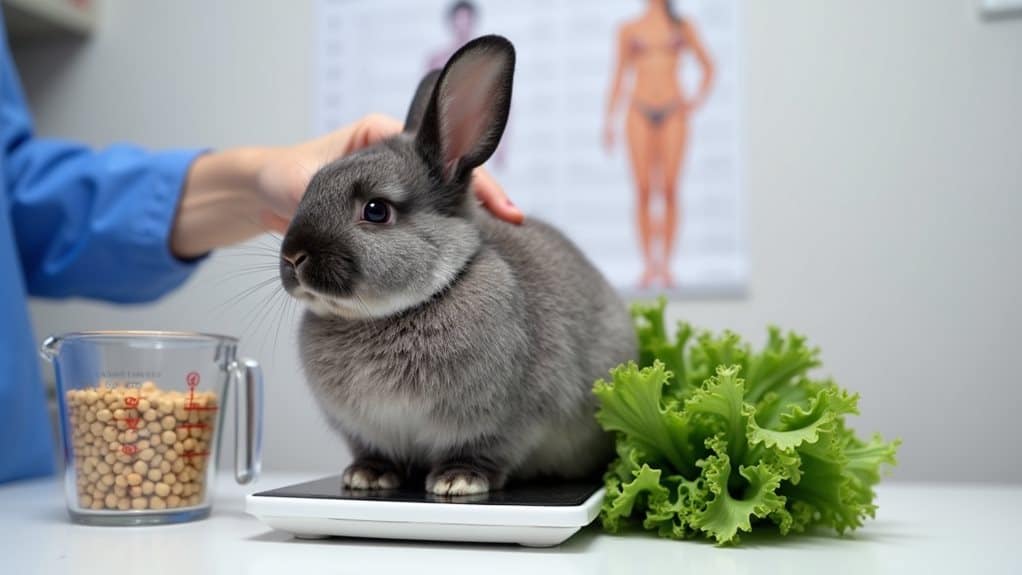
Although small in size, dwarf rabbits can easily become overweight if you’re not careful with their diet and exercise routines. Regular weight monitoring is crucial—your vet can help establish a healthy target weight for your bunny’s specific breed.
Portion control is equally important; measure their pellets rather than filling the bowl.
To keep your dwarf rabbit at a healthy weight:
- Limit pellets to 1/8-1/4 cup per day for adult dwarf rabbits
- Provide unlimited fresh hay as the main component of their diet
- Offer controlled amounts of leafy greens (about 1 cup per 2 pounds of body weight)
- Create opportunities for exercise with safe play areas and toys
You’ll notice the difference in your rabbit’s energy levels and overall happiness when they maintain a healthy weight!
Exercise Requirements for Dwarf Rabbit Well-being
Exercise is essential for your dwarf rabbit’s physical and mental health, so you’ll need to make certain they get daily opportunities to hop, explore, and play.
You can create an engaging environment by designing a space with tunnels, platforms, and toys that encourage natural behaviors like digging and climbing.
When letting your bunny exercise outside their enclosure, always supervise them to prevent accidents and make certain they’re not chewing on harmful objects or plants.
Daily Activity Needs
Regular physical activity is essential for your dwarf rabbit’s overall health and happiness. Unlike their wild cousins who hop miles daily, your pet bunny needs structured playtime routines to stay fit and mentally stimulated.
Aim for at least 3-4 hours of out-of-cage time daily, spread throughout morning and evening when rabbits are naturally most active.
For ideal activity enrichment, include:
- A rabbit-proofed room where your bunny can run, jump, and explore safely
- Cardboard tunnels and boxes that satisfy natural burrowing instincts
- Treat-dispensing toys that engage problem-solving skills
- Gentle interactive games like “follow the treat” that strengthen your bond
Space Design Considerations
Designing appropriate space for your dwarf rabbit isn’t just about comfort—it’s crucial for their physical and mental well-being.
When planning your bunny’s living area, think beyond the cage size—proper space allocation prevents obesity and muscle atrophy while promoting natural behaviors.
Your rabbit needs room to hop at least three consecutive times in any direction, with a minimum area of 8 square feet for a dwarf breed.
Don’t forget about habitat enrichment! Include tunnels, platforms at varying heights, and chew-friendly obstacles that encourage jumping and exploration.
Safe Exercise Options
Beyond their habitat setup, dwarf rabbits need daily movement opportunities to maintain ideal health.
Your tiny friend’s exercise routines should combine fun with safety, creating an environment where they can hop, explore, and stretch their little legs.
Playtime safety remains vital since these small bunnies can easily injure themselves on unsuitable surfaces or with dangerous toys.
Consider these four important components for safe dwarf rabbit exercise:
- Provide a minimum of 2-3 hours of supervised out-of-cage playtime daily
- Create bunny-proofed areas free from electrical cords, toxic plants, and small choking hazards
- Offer rotating toys like tunnels, cardboard castles, and willow balls to prevent boredom
- Include gentle inclines or bunny-safe steps to encourage natural jumping and climbing behaviors
Specialized Nutrition for Small Breed Rabbits
The dietary needs of dwarf rabbits differ markedly from their larger cousins, requiring careful attention to prevent health complications. Your tiny bunny’s metabolism runs at a higher rate, making specialized diets crucial for their well-being.
You’ll want to provide high-quality timothy hay as their primary food source, complemented by carefully measured pellets specifically formulated for dwarf varieties.
Achieving proper nutrient balance is critical, as these small breeds can quickly develop obesity when overfed. Unlike larger rabbits, dwarfs need only 1/8 cup of pellets per pound of body weight daily.
You’ll notice your little friend thriving when you limit treats and focus on leafy greens like romaine, cilantro, and parsley. Remember, their small size doesn’t mean small nutritional needs—it means more precise portions and careful monitoring!
Preventative Care and Veterinary Monitoring Guidelines
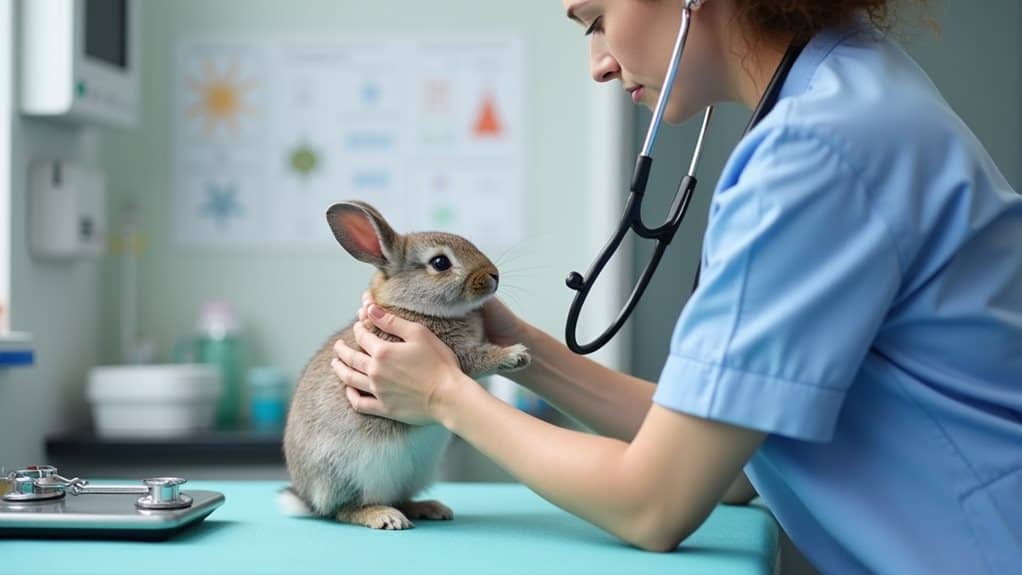
Because dwarf rabbits are prone to unique health challenges, regular veterinary check-ups form the cornerstone of keeping your tiny companion thriving.
You’ll want to schedule routine check-ups every six months, as these little furballs can hide illness remarkably well. Their small size makes them vulnerable to dental issues, obesity, and digestive problems that a trained vet can catch early.
Your preventative care calendar should include:
- Semi-annual wellness exams to assess weight, teeth, and overall condition
- Annual preventative vaccinations against common rabbit diseases
- Monthly at-home health checks including ears, eyes, teeth, and coat quality
- Quarterly nail trims and grooming sessions
Final Thoughts
As you cradle your tiny dwarf rabbit, remember that these pocket-sized companions need your extra attention. Their little bodies face unique challenges—from teeth troubles to delicate digestion—but with proper nutrition, gentle exercise, and regular vet check-ups, your furry friend can thrive. Your dedication creates a safe haven where your dwarf rabbit hops happily through life, their bright eyes and twitching nose a reflection of your loving care.