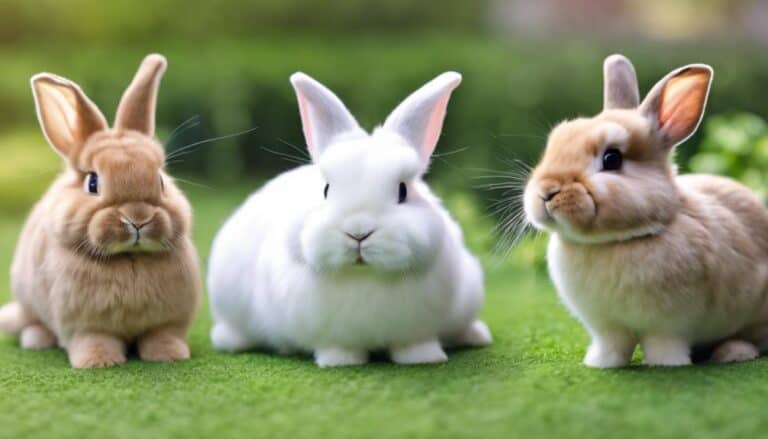
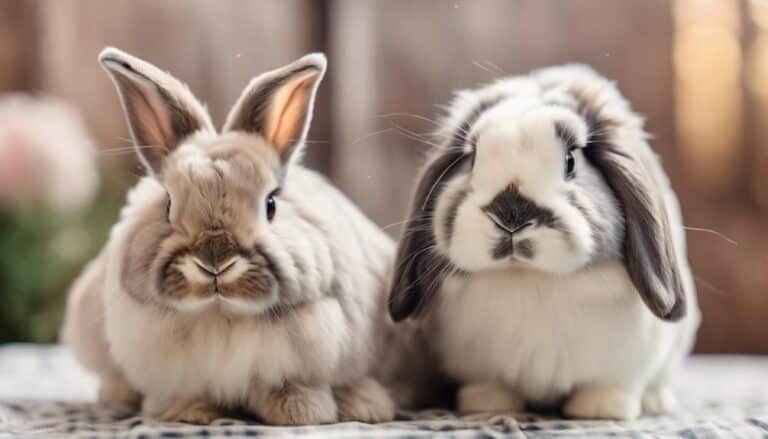
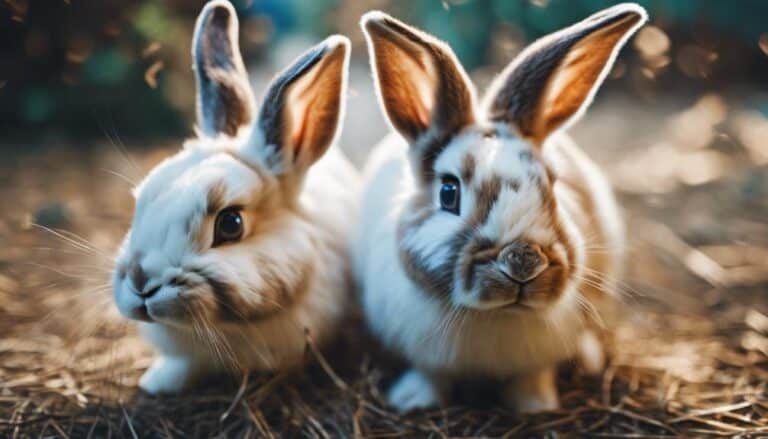
While you might think they’re all the same, bunnies, rabbits, and hares have distinct differences. Bunnies are actually baby rabbits, not a separate species, while hares are larger with longer ears and legs than their rabbit cousins. You’ll spot rabbits in burrows and social groups, but hares prefer solitary lives in open spaces. Their babies develop differently too – rabbit kits are born helpless, while leverets hop around on day one. There’s much more to discover about these fascinating creatures.
Contents
Physical Characteristics That Set Them Apart
While many people use the terms bunny, rabbit, and hare interchangeably, there are distinct physical features that set these adorable creatures apart.
You’ll notice that hares typically have longer ears and legs compared to rabbits, which helps them detect predators in their open habitats. Their fur color also varies considerably – hares often change from brown in summer to white in winter, while rabbits maintain more consistent coats throughout the year.
When you’re looking to care for these animals, understanding these differences becomes essential.
Bunnies, which are actually young rabbits, have softer, fluffier fur and shorter ears than their adult counterparts. These physical traits can help you provide the right environment and care, whether you’re helping at a shelter or considering one as a companion animal.
Habitat and Living Patterns
Despite their similar appearances, rabbits, hares, and bunnies have unique habitat preferences and living patterns that set them apart in the wild. Each species has developed remarkable living adaptations to thrive in their chosen environments, showcasing nature’s incredible habitat diversity.
- You’ll find rabbits making their cozy burrows in woodlands and meadows, where they’ve created intricate underground networks for protection and raising their young.
- Hares prefer open spaces like prairies and tundra, where they rely on their speed and above-ground nests called forms.
- While bunnies aren’t a distinct species, you’ll typically see domesticated rabbits (often called bunnies) living as cherished pets in human homes, where they’ve adapted beautifully to indoor living with proper care and attention.
Behavioral Differences in the Wild
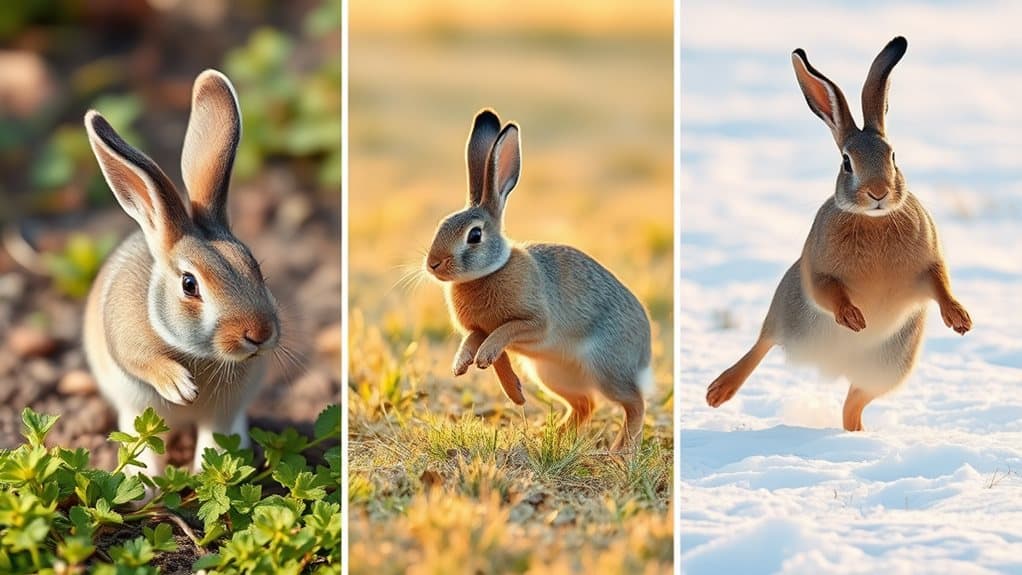
These fascinating creatures don’t just differ in where they live – their behaviors in the wild tell an even more interesting story.
You’ll notice distinct social structures among them: rabbits form close-knit colonies where they work together, while hares prefer a more solitary lifestyle. Their mating rituals are equally unique, with rabbits engaging in playful courtship dances and hares showing off their athletic abilities to impress potential mates.
When faced with danger, you’ll see rabbits thumping their feet to warn others before diving into their burrows.
Hares, on the other hand, rely on their incredible speed to escape, zigzagging across open fields. While both species are crepuscular (most active at dawn and dusk), hares are generally more daring and will venture out during daylight hours.
Birth and Development Stages
One of the most remarkable differences between rabbits and hares emerges right from birth, where you’ll find two very distinct approaches to entering the world.
While gestation periods vary slightly, the most striking contrast lies in neonatal development. You’ll notice that baby rabbits are born blind and hairless, requiring extensive parental care, while baby hares enter the world with fur and open eyes, ready to hop around within hours.
- Rabbit kits need 30-32 days of nurturing in their cozy nests.
- Leverets (baby hares) become independent after just one day.
- Young rabbits don’t leave their nest for about 2-3 weeks.
This difference in development helps you understand why rabbits make better pets – they’re naturally more dependent on care and social interaction, which makes them form stronger bonds with their caregivers.
Diet and Feeding Habits
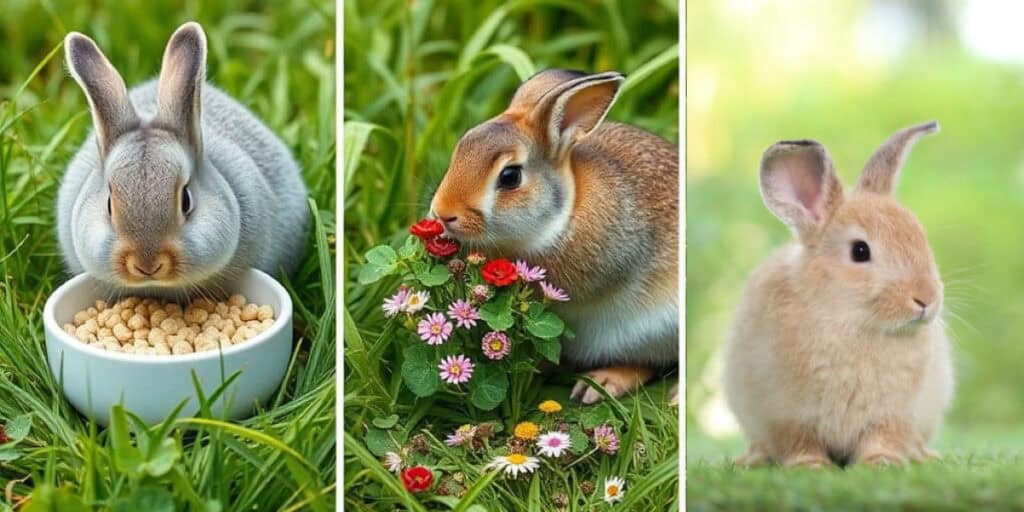
You’ll notice that bunnies, rabbits, and hares all share a love for fresh vegetation, though their specific food preferences and eating patterns can differ quite a bit.
While rabbits and bunnies might munch on garden vegetables and grass throughout the day, hares tend to be pickier eaters, focusing on wild grasses, bark, and twigs during dawn and dusk.
Each species needs a careful balance of fiber, protein, and nutrients to stay healthy, which is why you’ll often see them being selective about what they eat, even when there’s plenty of food around.
Popular Food Sources
A lush garden full of fresh vegetables represents a feast for rabbits, bunnies, and hares alike, though their specific dietary preferences can vary.
You’ll find that understanding their food preferences helps you provide the best nutritional benefits for these furry friends. They’ll thrive when you offer them a diverse menu of fresh, wholesome options.
Here are their favorite food sources:
- Leafy greens like romaine lettuce, carrot tops, and fresh herbs that provide crucial vitamins
- Hay varieties including timothy, meadow, and orchard grass that support dental health
- Fresh vegetables such as carrots, bell peppers, and celery that offer hydration and nutrients
When you’re planning their meals, remember that moderation is key – even with healthy foods, you’ll want to maintain proper portion sizes.
Eating Patterns and Times
While these adorable creatures share many traits, their eating patterns reveal fascinating differences in how they approach mealtime.
Bunnies and rabbits prefer eating at dawn and dusk, following a crepuscular eating behavior that keeps them safe from predators. You’ll notice they’re most active during these twilight hours, munching away on their favorite greens.
Hares, on the other hand, have adapted to different feeding times. They’re true night owls, primarily foraging under the cover of darkness.
Unlike their rabbit cousins, they’ll venture farther from their home base to find food. When you’re observing these magnificent creatures, you’ll see that hares tend to eat more efficiently, consuming larger quantities in shorter periods to minimize their exposure to predators.
Dietary Requirements and Nutrition
When it comes to dietary needs, bunnies, rabbits, and hares share a fundamental requirement for fiber-rich diets, though their specific preferences differ quite a bit.
Their vegetarian preferences revolve around fresh grass, hay, and leafy greens, which make up most of their daily nutrition.
You’ll want to guarantee these furry friends receive proper nutrition by following these key guidelines:
- Provide unlimited fresh hay (about 80% of their diet)
- Offer a variety of leafy greens daily (about 15% of their diet)
- Include small portions of pellets for balanced nutritional needs (about 5% of their diet)
If you’re caring for any of these animals, you’ll notice they’re quite particular about their food choices.
Each species has adapted to prefer certain plants from their natural habitats, making their dietary requirements unique yet similar.
Common Misconceptions About These Species
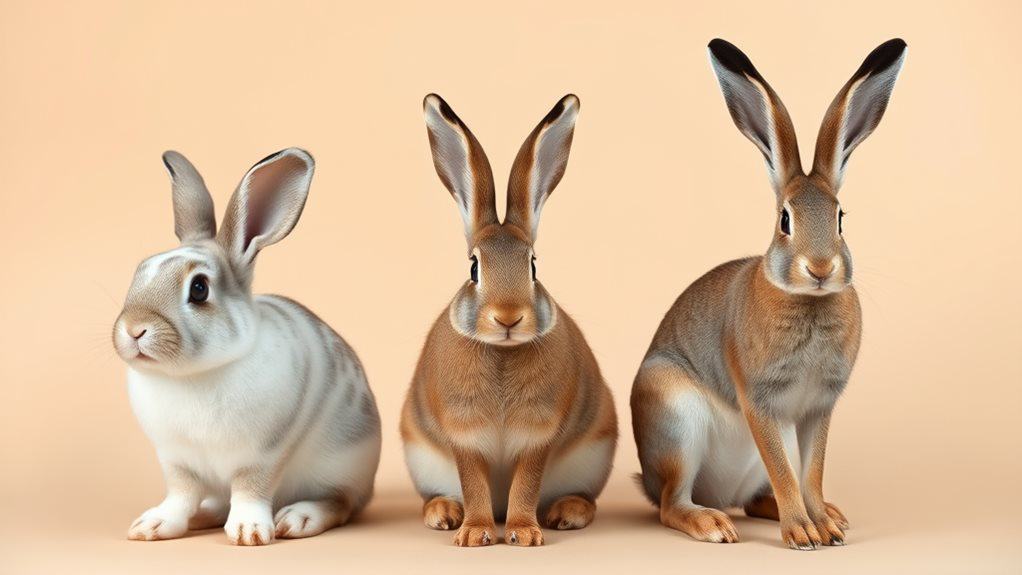
You’ll be surprised to learn that bunnies, rabbits, and hares aren’t actually different names for the same animal, nor are they babies of each other – they’re distinct species with unique characteristics.
While rabbits and bunnies are the same animal (bunny is just a cute nickname), hares are completely separate creatures with notable physical differences like longer ears and larger bodies.
These physical distinctions aren’t just for show – they help each species thrive in their specific environments, from the way they move to how they adapt to seasonal changes.
Same Species Myth
Despite their similar appearances, bunnies, rabbits, and hares aren’t actually the same species – a fact that often surprises many animal lovers.
You’ll find that this same species debate has created confusion among pet owners and nature enthusiasts alike. To help with taxonomy clarification, here are key differences that set them apart:
- Hares belong to the genus Lepus, while rabbits belong to different genera like Oryctolagus and Sylvilagus.
- Baby hares are born fully furred with open eyes, while rabbits are born hairless and blind.
- Bunnies aren’t a separate species at all – it’s just an endearing term for young rabbits.
Understanding these distinctions can help you better care for these wonderful creatures and educate others about their unique characteristics.
Physical Differences Matter
The physical differences between rabbits and hares go well beyond their taxonomic classifications. If you’re looking to serve others by sharing accurate information, you’ll want to understand these distinctive traits.
While both animals might look similar at first glance, there are notable size distinctions that set them apart – hares are typically larger, with longer ears and legs built for speed and agility.
You’ll also notice fascinating color variations between these creatures. Rabbits tend to maintain their coat color year-round, but hares are nature’s quick-change artists!
They’ll switch from brown in summer to white in winter, helping them blend in with their surroundings. It’s like they’ve got their own seasonal wardrobe, while rabbits stick to their signature style throughout the year.
Not Babies Of Each-Other
Many people mistakenly believe that bunnies grow up to become rabbits, and rabbits eventually mature into hares, but this couldn’t be further from the truth!
These adorable creatures are completely separate species with their own unique bunny behavior and habitats. When you hear rabbit myths about these animals being different life stages of each other, you’ll now know better.
Here’s what makes each species distinct:
- Bunnies are actually baby rabbits, not a separate species.
- Hares are born fully furred with open eyes, unlike rabbit babies.
- Hare agility develops from birth, while rabbits need time to mature.
You’ll find that understanding these differences helps dispel common misconceptions and allows you to better appreciate each animal’s unique characteristics and needs in their natural environments.
Final Thoughts
As swift as a jackrabbit in flight, you’ll now spot the key differences between these furry friends with confidence. Whether you’re watching a wild hare bound across an open field, caring for a pet rabbit in your home, or spotting a cottontail bunny in your garden, you’ve learned these unique creatures aren’t interchangeable. Remember, while they’re all part of the same family, each one’s distinctive traits make them wonderfully special in their own way.